Key takeaways
- About 2–4% of Laos’ 7.7 million people are Christian; estimates vary by source.
- Catholic missionaries first came in the 17th century; Protestant work began in 1902.
- Most believers meet in homes; churches must register and registration is rarely granted.
- The church is growing fastest among ethnic minorities such as the Khmu and Hmong.
- KMI trains Lao pastors and house-church leaders safely at its centre in Mae Sai, Thailand.
Christianity in Laos at a glance
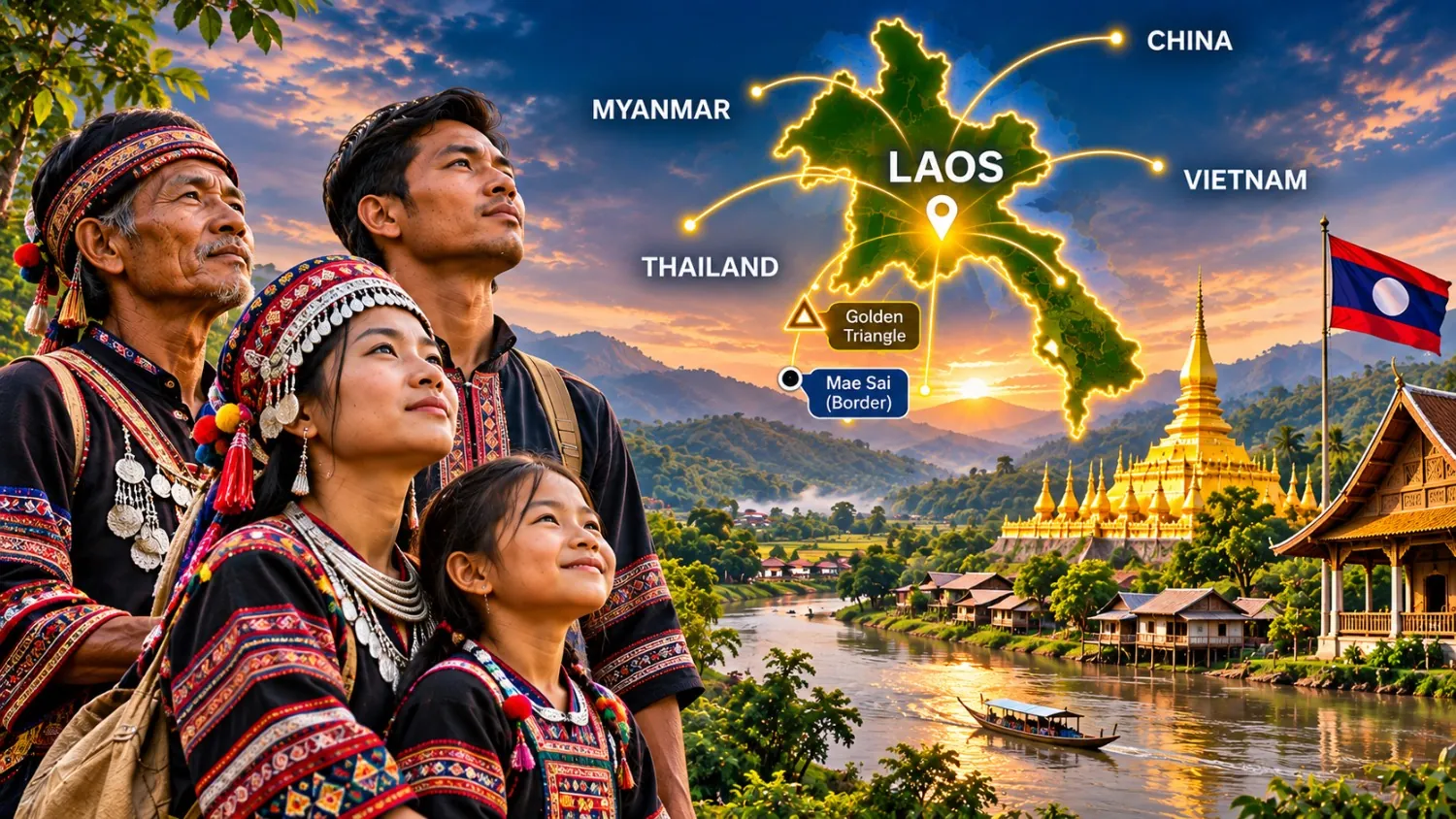
Laos is a landlocked nation of about 7.7 million people and nearly 50 officially recognised ethnic groups. Theravada Buddhism shapes national identity, and many families also follow traditional spirit worship. Christians are a small minority: the 2015 census counted under 2%, while church and research estimates range from about 3% to 4% (Joshua Project lists about 3.8% Christian adherents and 96 of 126 people groups as unreached).
Laos is a one-party communist state. The constitution recognises freedom of belief, but religious activity is closely regulated, especially in rural areas.
A short history of Christian missions in Laos
Catholic missions began with the Italian Jesuit Giovanni Maria Leria, who reached the Lao kingdom in the 1640s. A lasting Catholic presence came in the late 19th century through the Paris Foreign Missions Society, working from the south and along the Mekong.
Protestant missions began in 1902, when Swiss Brethren missionaries settled in southern Laos and later translated the Bible into Lao. From 1929 the Christian and Missionary Alliance worked in the north, where many Khmu and Hmong people came to faith. These churches grew into the Lao Evangelical Church, today the main officially recognised Protestant body.
After 1975 foreign missionaries left and Lao believers led the church themselves. Like the church in China, it learned to survive — and grow — without outside leadership.
Why the church in Laos meets in homes
Congregations must register with the authorities to meet legally, and registration is often slow or refused. Most believers therefore gather in homes, in small groups that are easy to multiply and hard to close down. Pressure usually comes from village leaders and family members rather than national police: new believers can lose land, be excluded from village life or be told to renounce their faith, and arrests still happen.
Yet these pressures have shaped a resilient, family-based church. The Gospel often spreads along family lines, especially among the Khmu and Hmong, and house churches multiply when one family shares with another.
What the church in Laos needs most
- Trained leaders. Many house-church leaders serve with little or no Bible training.
- Scripture in heart languages for minority peoples.
- Discipleship that families can reproduce at home.
- Holistic care — clean water, education and livelihoods — that shows Christ’s love and builds trust.
How Kingdom Mission International serves Laos
Because open Christian training is restricted inside Laos, KMI brings Lao pastors and house-church leaders to its training centre in Mae Sai, Thailand, where the borders of Thailand, Laos and Myanmar meet. Leaders study Scripture, pray and worship in Lao, then return home to strengthen and multiply their churches.
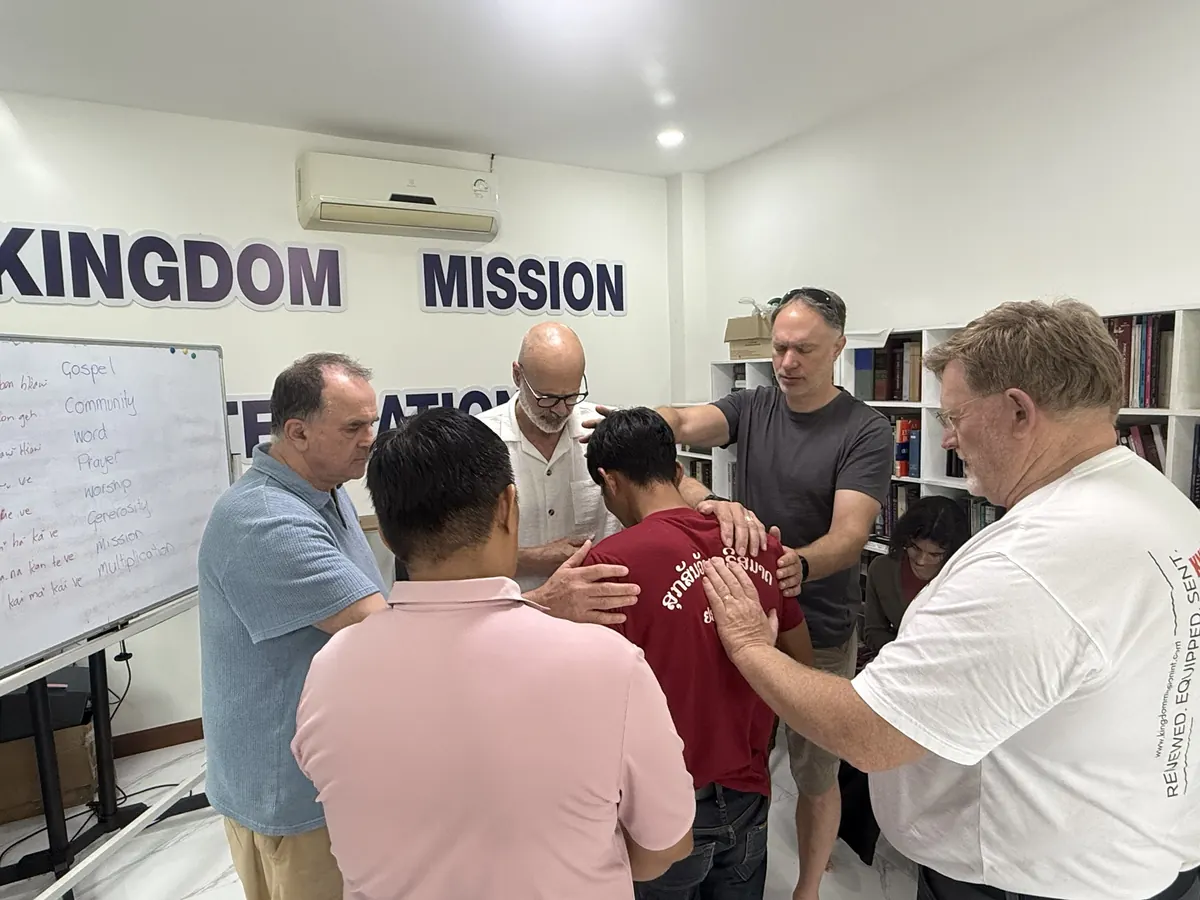
See the Laos Leadership Training 2026, the 2025 training and our full page on Christian missions in Laos.
How you can help Christians in Laos
- Pray for Lao believers, village leaders and the Lao Evangelical Church.
- Sponsor training: about $1,500 funds a seminar for Lao leaders. Give to Lao training.
- Volunteer with KMI in Mae Sai or online. Volunteer for Laos.
- Be wise online: never post names or faces of Lao believers.
Sources: national censuses (Thailand National Statistical Office; Pakistan Bureau of Statistics, 2023; Myanmar census, 2014; Lao census, 2015), Joshua Project and Kingdom Mission International field reports. Figures are estimates and change over time.